

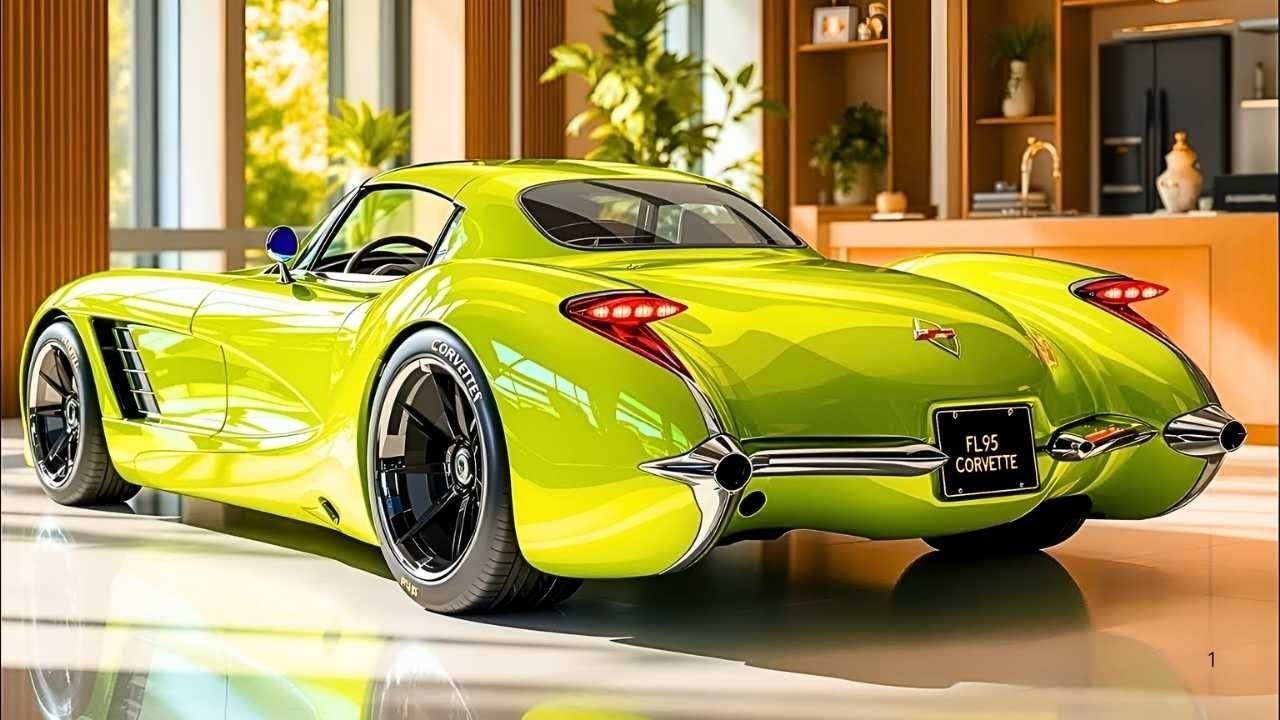
The 1953 Chevrolet Corvette stands as one of the most important cars ever built in America. As Chevrolet’s first production sports car, the Corvette blended bold styling, groundbreaking materials, and a fresh driving spirit that set the foundation for an automotive legend. Produced in very limited numbers, the 1953 model remains highly desirable among collectors and enthusiasts who appreciate its heritage and timeless appeal.
Design and Exterior Features
The 1953 Corvette made a statement the moment it appeared. Instead of using traditional steel, Chevrolet introduced a fiberglass body, a revolutionary decision that gave the Corvette its lightweight structure and distinctive look. Key design highlights include:
- Long, sleek hood
- Low, aerodynamic stance
- Smooth curves and rounded rear fenders
- Chrome accents and signature circular tail lights

The two-seater roadster layout further enhanced its sporty personality. With its removable soft top, drivers could enjoy open-air cruising that amplified the car’s sense of freedom. Even today, the 1953 Corvette’s styling remains beloved for its elegant yet athletic presence.
Interior and Driving Experience
Inside, the Corvette embraced simplicity and driver engagement. The cabin featured:
- Large round gauges for easy visibility
- Straightforward dashboard layout
- Bucket seats designed for spirited driving
- A compact cockpit that connected driver and road
Although it lacked modern comforts such as air conditioning or infotainment systems, the 1953 Corvette delivered a pure, classic driving feel. Enthusiasts appreciate the rawness and authenticity of the interior, which many restorers preserve to maintain originality.
Engine and Performance

The 1953 Corvette was powered by a 3.9-liter inline-six engine, producing around 150 horsepower. Paired with a three-speed manual transmission, it offered lively performance for its era. Highlights include:
- Top speed exceeding 100 mph
- Lightweight fiberglass body enhancing agility
- Responsive handling ideal for enjoyable weekend drives
While not as powerful as later Corvettes, the 1953 model delivered the fun, sporty driving experience Chevrolet intended.
Historical Significance and Legacy
The first-generation Corvette represents a major milestone in American automotive history. Only 300 units were produced in 1953, making it extremely rare. Its importance includes:
- America’s first mass-produced sports car
- A symbol of Chevrolet’s innovation and ambition
- The beginning of a global sports-car legacy

The 1953 Corvette paved the way for decades of performance evolution, design innovation, and motorsport success. Today, it stands as one of the most iconic collector cars ever made.
Collectibility and Restoration Tips
Because of its rarity and historic status, the 1953 Corvette is highly prized. Collectors look for:
- Matching-number engines
- Original fiberglass panels
- Authentic interior components
- Detailed restoration documentation
Restoration should focus on preserving originality. Key areas to prioritize include engine rebuilding, body refinishing, and interior restoration with period-correct materials. Maintaining authenticity significantly boosts the car’s long-term value.
Driving a 1953 Corvette Today
Owning and driving a 1953 Corvette is a special experience. Its manual transmission, lightweight body, and vintage handling offer a unique connection between driver and machine. Although it lacks modern features, it shines in:
- Vintage car shows
- Classic rallies and cruises
- Collector exhibitions
- Weekend scenic drives
Driving the 1953 Corvette is not just transportation—it is stepping back into a defining moment in American automotive history.
FAQs
1. How many 1953 Corvettes were made?
Only 300 units were produced, making it one of the rarest Corvettes ever.
2. What engine does the 1953 Corvette have?
It features a 3.9-liter inline-six engine producing about 150 horsepower.
3. Is the 1953 Corvette valuable today?
Yes, its rarity and historical significance make it extremely valuable to collectors.
4. Was the 1953 Corvette made of fiberglass?
Yes, it was one of the first production cars to use a full fiberglass body.
5. Is the 1953 Corvette good to drive?
It offers a raw, nostalgic driving experience that many enthusiasts find enjoyable.
Conclusion
The 1953 Chevrolet Corvette remains a legendary icon that shaped the future of American sports cars. Its innovative design, engaging driving character, and deep historical roots make it a treasured collectible and a symbol of automotive passion. Whether preserved for display or taken out for a weekend cruise, the first Corvette continues to inspire admiration and excitement more than seven decades later.